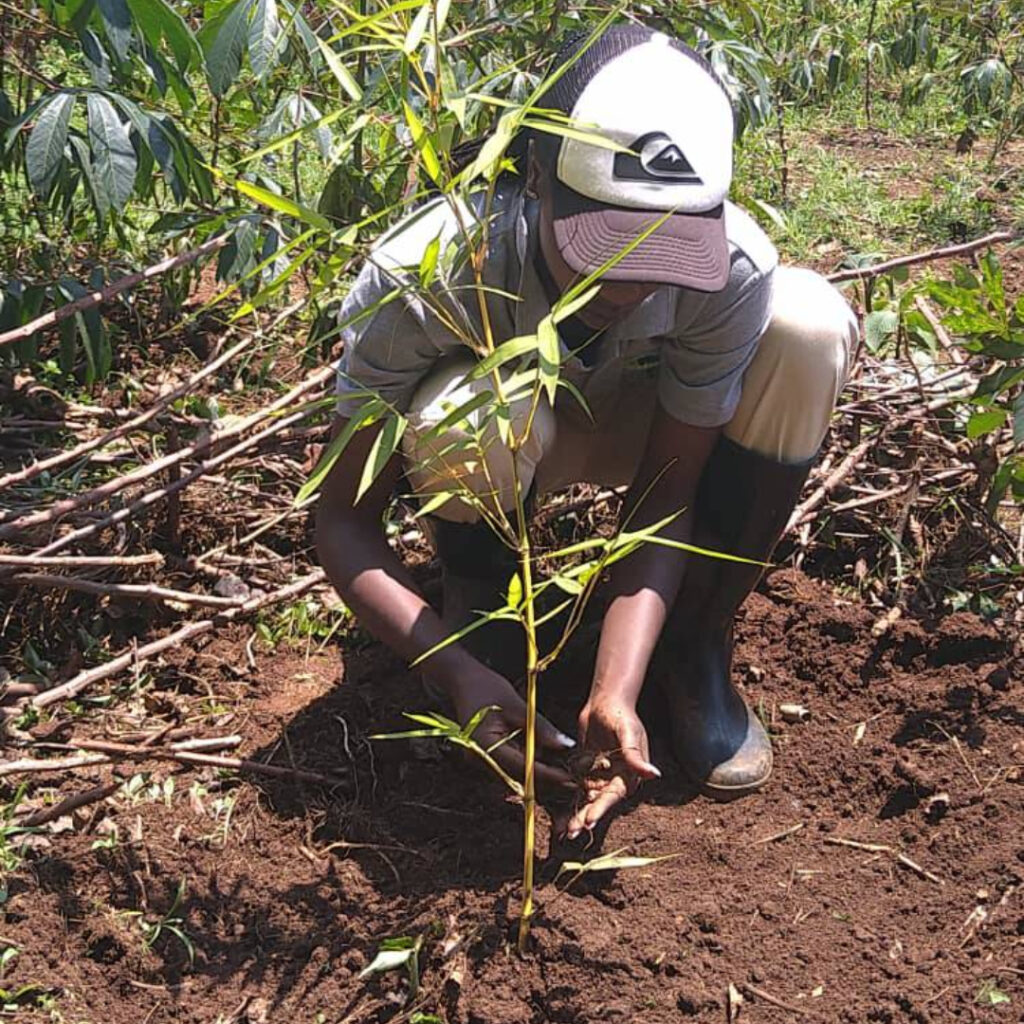
This program is being implemented across four districts in Rwanda: Rusizi, Ruhango, Kirehe and Bugesera. Its primary goal is landscape restoration and the creation of carbon sinks to enhance environmental sustainability. Since its launch in 2020, a total of 563,562 trees have been planted .With a strong focus on agroforestry, fruit trees, and native trees the initiative aims to secure and enhance agricultural land productivity while promoting environmental conservation. Beyond ecological benefits, the program contributes to job creation, improved livelihoods, enhanced soil fertility and stability, and overall environmental resilience.
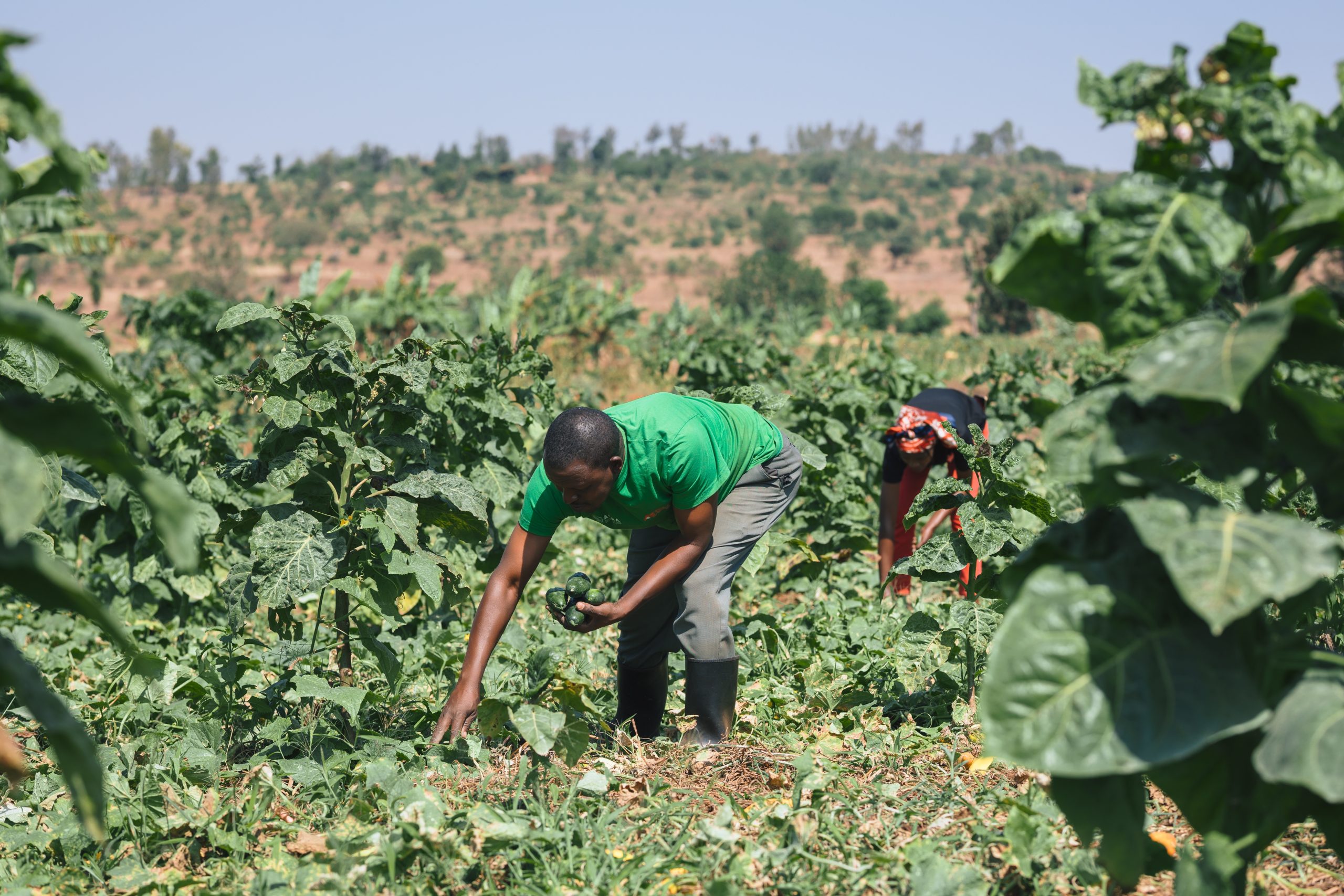
REDO is implementing an irrigation program that began in Ruhango district and Rweru Sector, Bugesera District. Currently, 28.7 hectares of land are being managed with access to irrigation water. The program is expanding, with plans to achieve more than 700 hectares and efforts are underway to secure additional funding to reach 80 hectares by 2028. Designed to address the impacts of climate change, particularly prolonged droughts caused by intense heat in vulnerable area in Rwanda which are exposed to drought , the initiative aims to enhance community resilience. By enabling year round agricultural activities across all three farming seasons, the program supports local livelihoods while promoting climate adaptation. To minimize environmental impact, the irrigation system is powered by solar energy, ensuring sustainability and reducing ecological threats.
REDO is implementing an irrigation program that began in Ruhango district and Rweru Sector, Bugesera District. Currently, 28.7 hectares of land are being managed with access to irrigation water. The program is expanding, with plans to achieve more than 700 hectares and efforts are underway to secure additional funding to reach 80 hectares by 2028.Designed to address the impacts of climate change, particularly prolonged droughts caused by intense heat in vulnerable area in Rwanda which are exposed to drought , the initiative aims to enhance community resilience. By enabling year round agricultural activities across all three farming seasons, the program supports local livelihoods while promoting climate adaptation. To minimize environmental impact, the irrigation system is powered by solar energy, ensuring sustainability and reducing ecological threats.
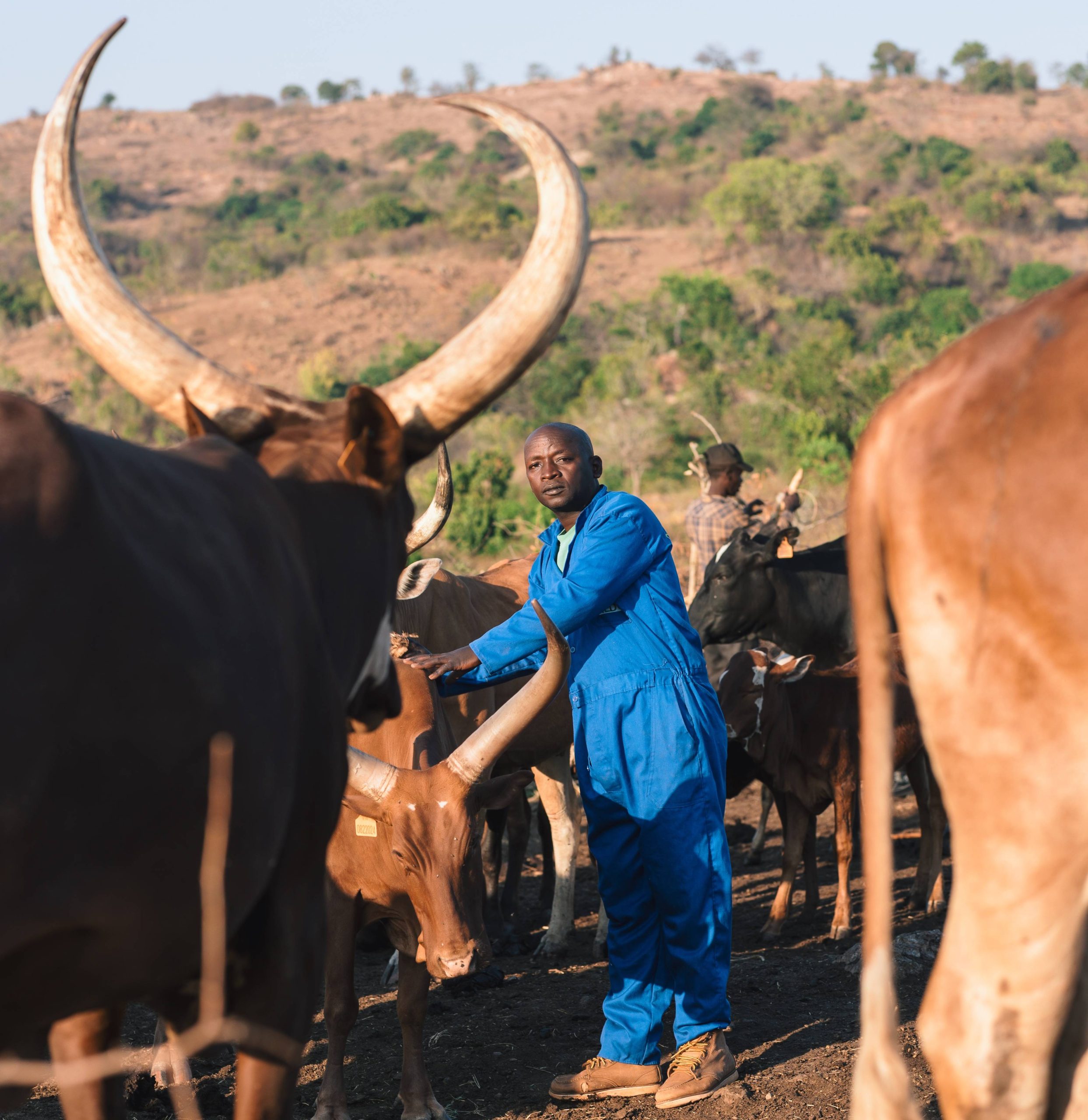
REDO supports community livelihoods through microfinancing initiatives that empower youth and smallholder farmers to develop sustainable income-generating activities. In Ruhango District, REDO works with three youth cooperatives in Ntongwe, Ruhango, and Kinazi sectors, supporting cassava production and small livestock rearing such as goats. In Kirehe District, the program promotes cow rearing in Mpanga Sector to strengthen economic stability. Additionally, in Musanze District, REDO partners with cooperatives involved in honey production, enabling them to expand their activities and improve market access. Through financial support, capacity-building, and cooperative strengthening, the microfinancing project enhances entrepreneurship, promotes self reliance, and contributes to long term community resilience.
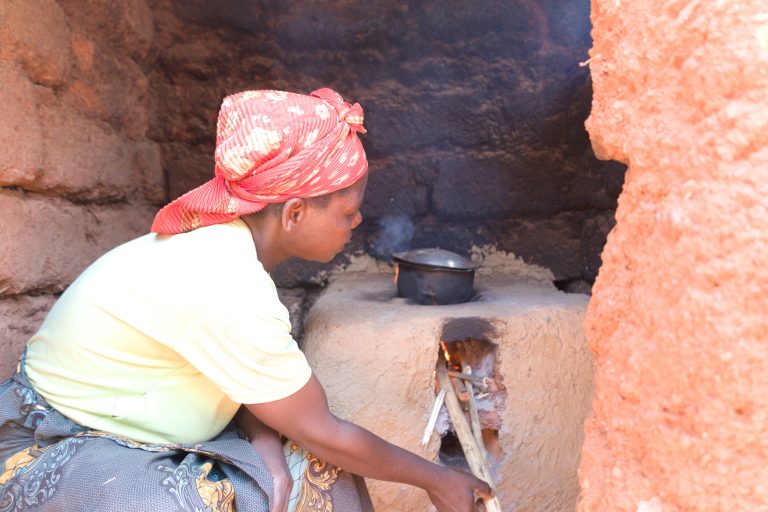
REDO promotes the social integration of historically marginalized people by supporting vulnerable households especially women and youth through sustainable livelihood opportunities and access to clean energy technologies. Since 2015, REDO has worked around Cyamudongo Forest in Rusizi District to reduce environmental degradation while empowering communities living near Nyungwe National Park, helping households reduce reliance on firewood and adopt more efficient and safer income generating activities. By training cooperatives, distributing modern beehives, and promoting gender balanced participation, the initiative strengthened community resilience, created new economic opportunities, and contributed to a major decline in illegal tree cutting, to improve their livelihoods, participate in conservation efforts, and integrate more fully into social and economic development.
©2024, REDO. All Rights Reserved.