
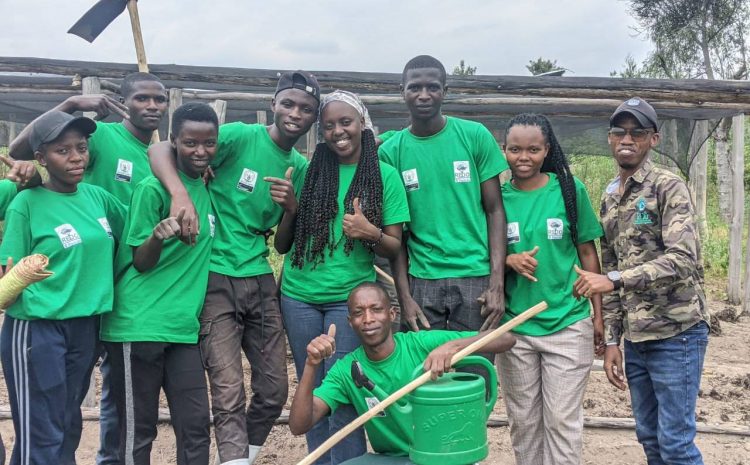
From 3 June to 21 June 2024, a comprehensive training program on tree nursery establishment and management was conducted across Kinazi, Ruhango, and Ntongwe sectors, targeting youth engagement and environmental sustainability. This initiative successfully reached 60 youths, equipping them with practical skills and theoretical knowledge essential for promoting reforestation, sustainable land management, and green livelihoods in their communities. The training was designed to develop the capacity of participants as trainers of trainees, enabling them to share knowledge and skills within their sectors. Over fifteen days, participants engaged in a series of structured sessions that combined both theoretical understanding and practical application. This approach ensured that youths not only learned the concepts behind tree nursery management but also gained hands-on experience in implementing them effectively.The training curriculum covered a wide range of critical topics. Participants were equipped with knowledge on selecting suitable sites for tree nurseries, understanding soil requirements, and the importance of environmental conditions in seedling growth. They were also trained in construction techniques for nurseries, ensuring that each site could support healthy and sustainable seedling production. Practical sessions included preparing substratum for different seedling types, pot filling, seed sowing, and ongoing seedling care and management. Additionally, trainees were introduced to grafting techniques and the importance of monitoring seedling development to ensure long-term success.
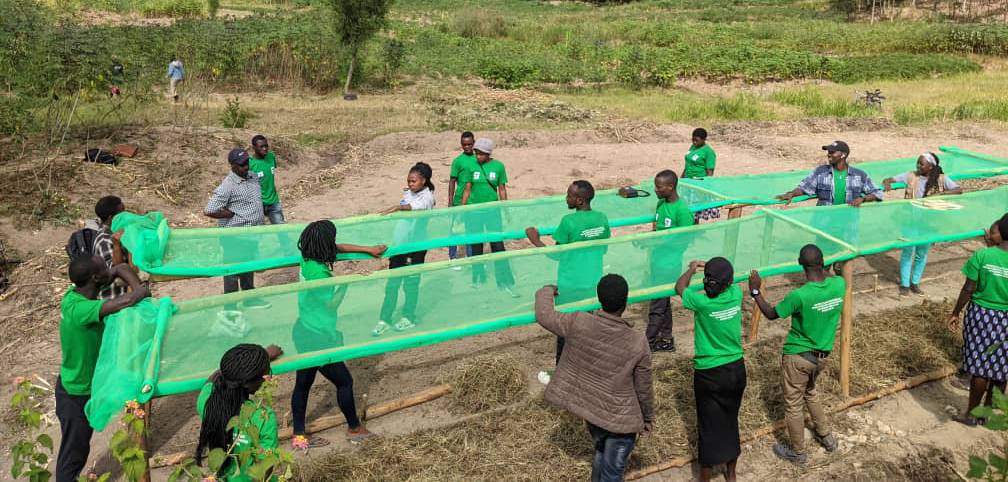
The program emphasized active participation and collaboration, encouraging trainees to discuss challenges and propose solutions during practical exercises. Participants were motivated to apply the skills learned within their own projects, creating opportunities for cooperative initiatives. As a result, a cooperative of 20 members from Kinazi sector was formed, tasked with sharing knowledge, fostering green jobs, and promoting sustainable practices among local youth. The training achieved its intended outcomes successfully. Trainees demonstrated proficiency in nursery construction, substratum preparation, pot filling, seed sowing, seedling care, and grafting techniques, laying a strong foundation for continued knowledge transfer. Their enthusiasm and commitment reflect the potential for long-term environmental and socio-economic impact within their communities. This initiative was implemented in partnership with AVSI Rwanda, REMA, and the Ruhango local authorities, highlighting the collaborative effort needed to foster sustainable development.
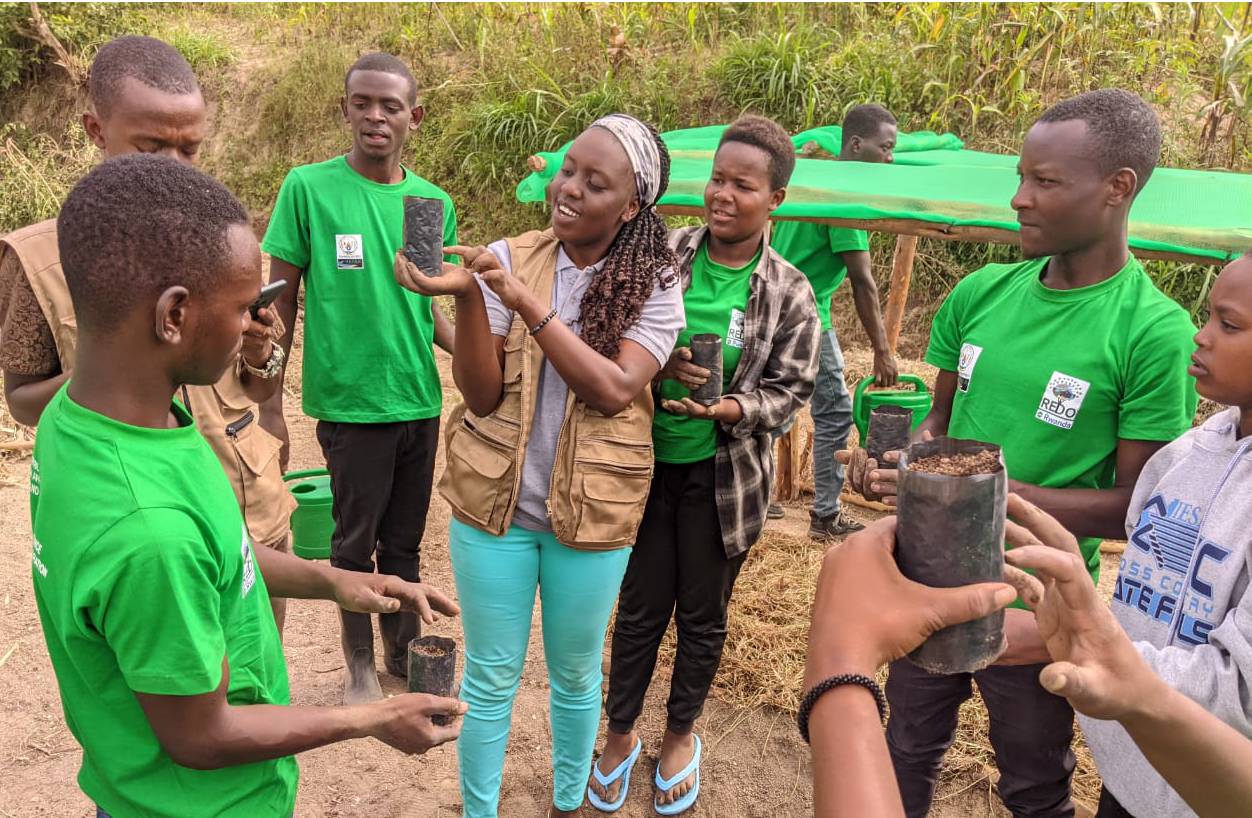
By combining the expertise of organizations with local leadership, the program ensured that youth empowerment efforts were both practical and contextually relevant. Looking ahead, the program includes a robust follow-up plan to monitor and support the trainees as they begin training others. Regular mentorship and evaluation will ensure that the skills acquired are effectively transferred, contributing to the growth of reforestation projects and sustainable land management initiatives in the targeted sectors. The training represents a significant step in building the capacity of Rwandan youth to become leaders in environmental conservation and sustainable development. By equipping young people with practical skills, theoretical knowledge, and a platform for collaborative action, this initiative strengthens community resilience, promotes green livelihoods, and encourages active participation in protecting Rwanda’s natural resources