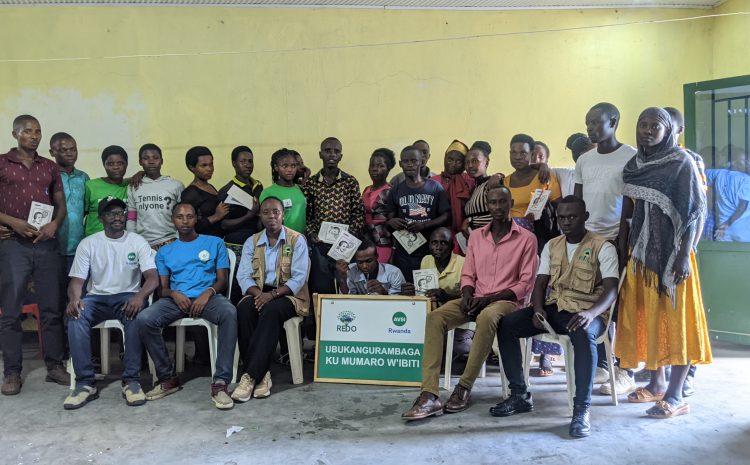
REDO, in partnership with AVSI Rwanda, the Rwanda Environment Management Authority (REMA), and Ruhango local authorities, successfully conducted a 15 days training for youth seedling producers and community based mobilizers in the sectors of Kinazi, Ntongwe, and Ruhango. This initiative, part of the project “Improved Green Culture and Climate Change Resilience within Rwandan Rural Communities,” aimed to strengthen local capacity in tree maintenance, agroforestry practices, and community mobilization. The program focused on improving environmental conservation, enhancing agricultural productivity, and increasing climate resilience among rural communities. A total of 87 participants attended the training, including 60 youth seedling producers and 27 community-based mobilizers. The program was structured over 15 days, dedicating five days to each sector. The first two days in each sector focused on theoretical learning, where participants gained knowledge about tree maintenance, the benefits of agroforestry, soil management, pest and disease control, and data collection techniques. The remaining three days were dedicated to practical field sessions, allowing participants to apply their knowledge through activities such as tree planting, watering, mulching, and monitoring tree growth. The involvement of partners such as AVSI Rwanda, REMA, and local authorities ensured that the training was aligned with local development priorities and environmental policies.
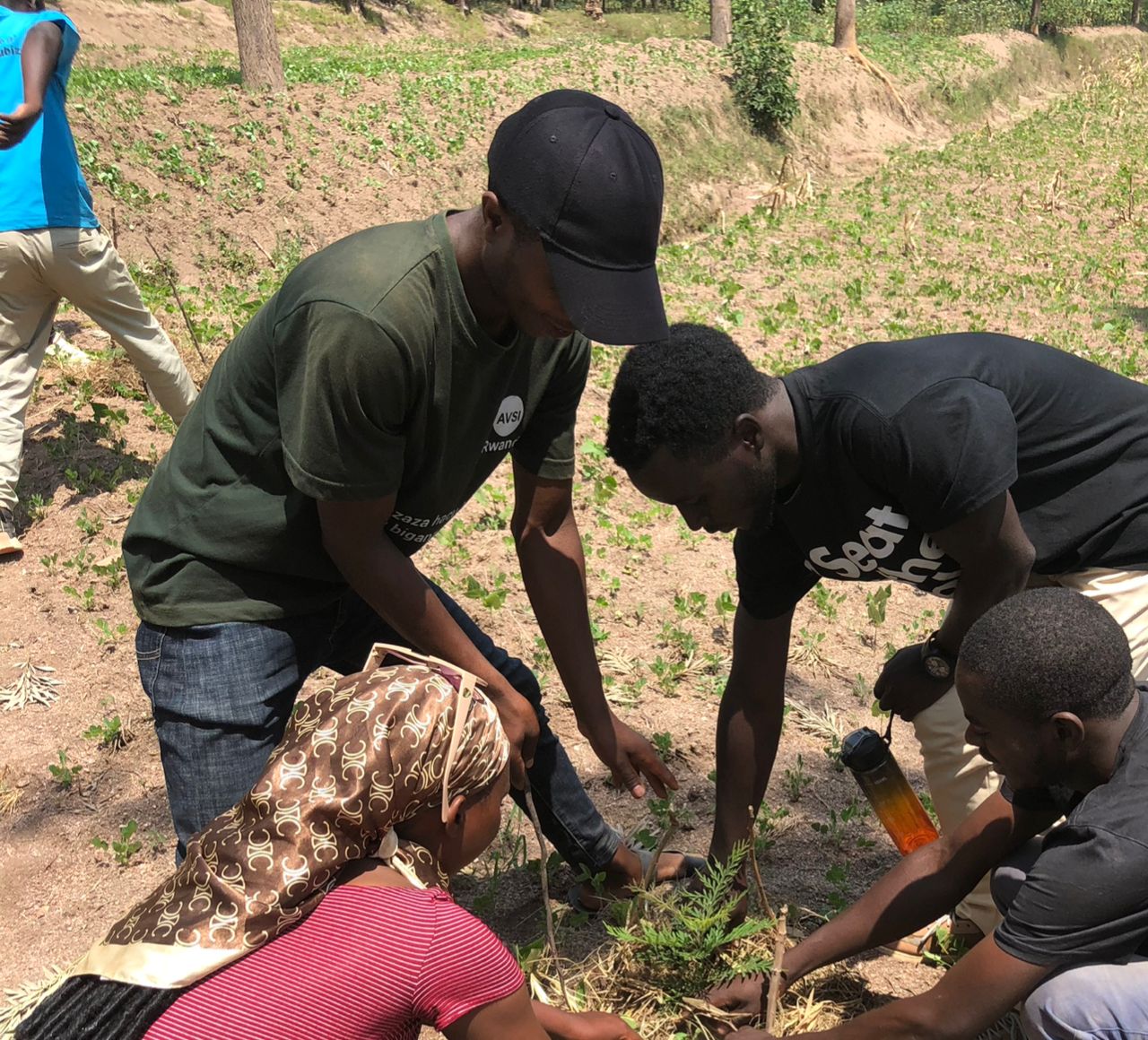
During the training, participants learned how agroforestry contributes to soil fertility, biodiversity, and climate resilience while supporting sustainable livelihoods. Practical field demonstrations allowed participants to practice essential tree maintenance activities, including mulching, watering, fencing, pest and disease management, and tree growth monitoring. A community mobilization session was conducted in collaboration with the Agronomist of Ruhango Sector, where participants engaged local farmers and community members to raise awareness about sustainable tree maintenance practices. The Executive Secretary of Ntongwe Sector and other local authorities actively participated, emphasizing the importance of youth involvement in environmental stewardship and community development. The presence of REDO ,AVSI Rwanda and REMA strengthened technical guidance and ensured the program promoted best practices in line with national environmental strategies. The training achieved significant results in building both knowledge and practical skills among participants. They developed a strong understanding of agroforestry systems and the role of trees in improving soil fertility, preventing erosion, and enhancing biodiversity. Participants became proficient in practical tree maintenance skills, including proper watering, mulching, pest and disease control, and soil management, while learning to monitor tree growth and track survival rates effectively. The program also enhanced participants’ problem solving capacities, enabling them to address challenges such as drought, pests, and soil degradation using sustainable solutions. Importantly, participants gained leadership and community mobilization skills, empowering them to train local farmers, promote tree maintenance, and extend the impact of the program to the wider community.
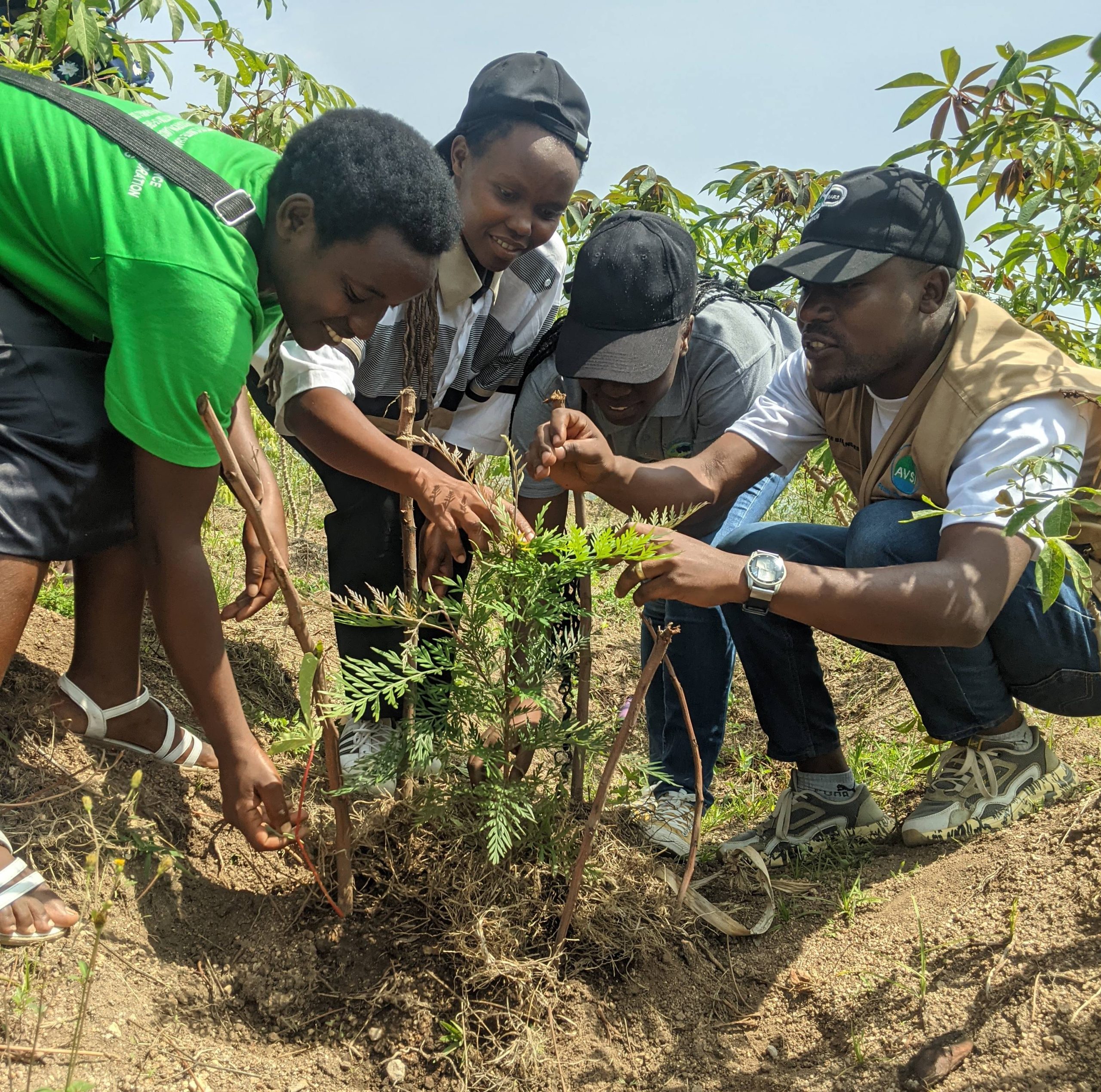
The 15 day training successfully empowered participants with the knowledge, practical skills, and leadership abilities necessary for sustainable tree maintenance and agroforestry practices. By combining theoretical lessons, hands on field experience, and community mobilization, the program strengthened local efforts in environmental conservation and climate resilience in Kinazi, Ntongwe, and Ruhango sectors. The active participation of local authorities, AVSI Rwanda, REMA, and other stakeholders reinforced the importance of community involvement, ensuring that the benefits of the training extend beyond the participants to the wider community and contribute to long-term sustainable development goals.